
Since Covid-19, so-called ‘hot spots’ where there are concentrations of homeless persons, have increased in the City of Tshwane, South Africa’s administrative capital. Not only have ‘hotspots’ increased, but it contributed to greater visibility of homelessness in the City, and are also distributed across the metropole’s seven regions, including areas where historically there were no..
Read moreEveryone counted, counts! The first homeless count in the City of Tshwane, October 2022 Research report
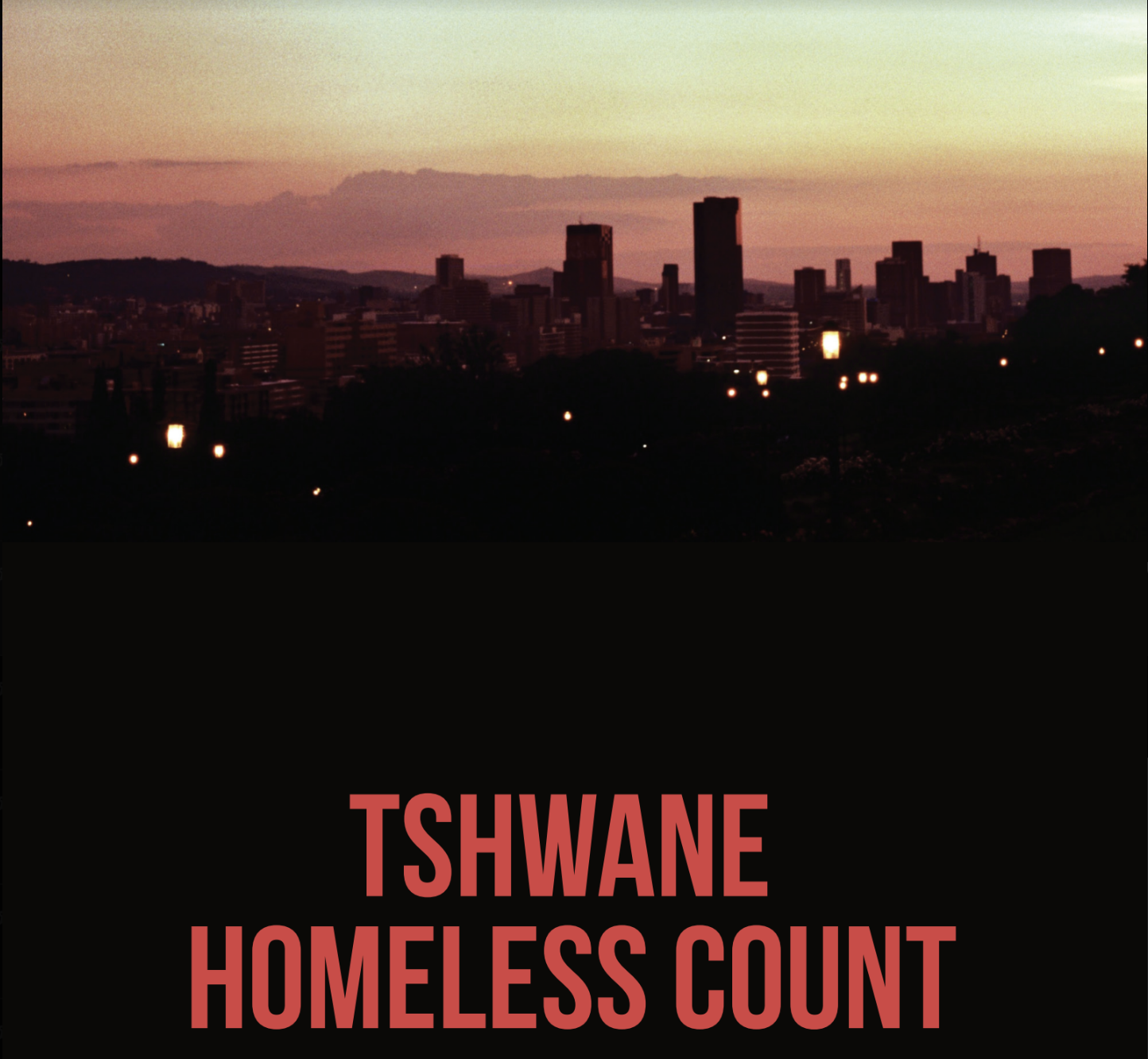
Every person counts. And everyone counted during the City of Tshwane’s first official homeless count, counts! This is a critical moral, political and theological assertion, and insistence. It is also a critical methodological reminder. Losing one survey form, or miscounting, or messing up data, is miscounting one person’s dignity, importance and information. Without such insistence..
Read moreThe ‘good city’ or ‘post-colonial catch-basins of violent empire’? A contextual theological appraisal of South Africa’s Integrated Urban Development Framework
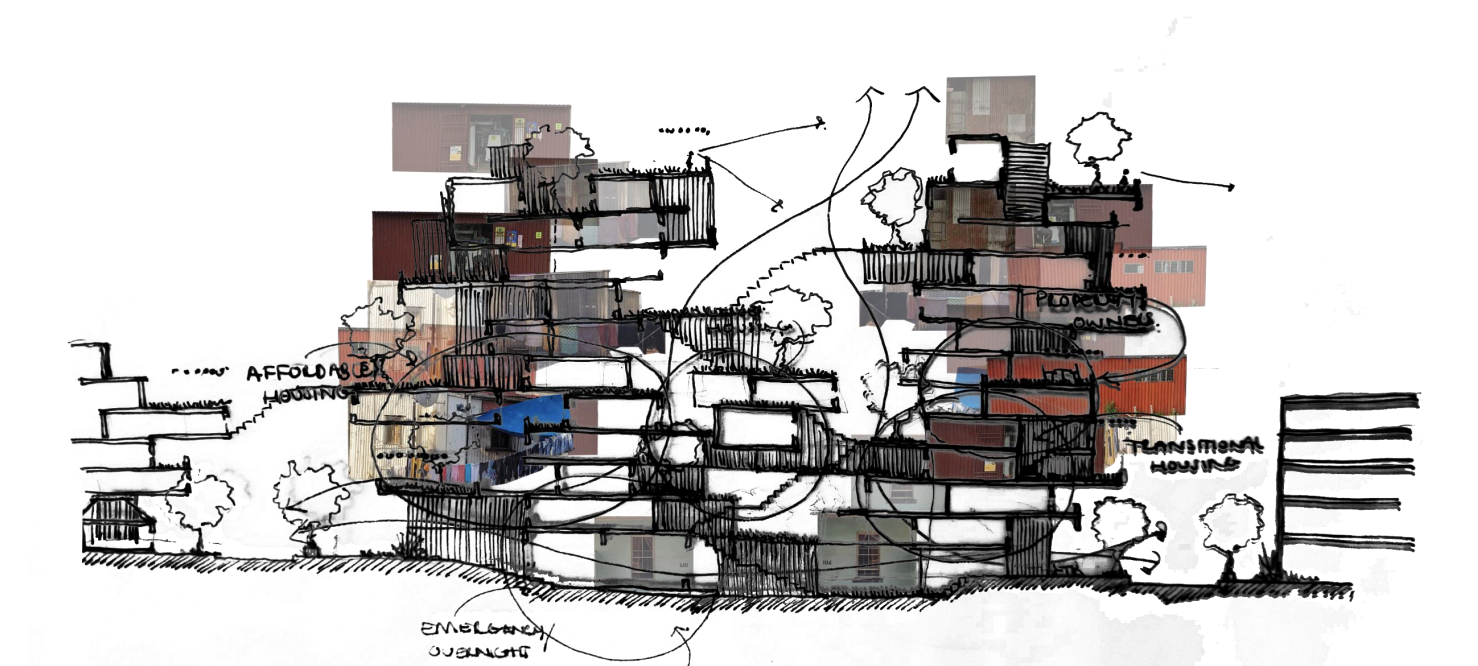
The Integrated Urban Development Framework (IUDF) was constructed as a ‘new deal’ for South African cities and towns. It outlines a vision with four overarching goals and eight priorities or policy levers meant to overcome the apartheid legacy through comprehensive spatial restructuring and strategic urban–rural linkages. This article is a contextual theological reflection ‘from below’,..
Read moreChange agency and urban vulnerability: Theologicalecclesial paralysis or deep solidarity

Globally, cities respond differently to their most vulnerable urban populations, notably so during the coronavirus disease 2019 (COVID-19) pandemic. In the City of Tshwane, there seems to be a general paralysis of the church and theological education in relation to urbanvulnerability. If the church and theological education are to participate as change agents to help..
Read more