By Stephan de Beer This chapter traces attempts in the city of Tshwane, South Africa’s administrative capital, to prevent and end homelessness. It considers these attempts against the broader struggle for socio-spatial transformation of South Africa’s apartheid cities, as well as the diverse faces of homelessness. The importance of approaches that fuse research, policy, and..
Read moreFROM HOT SPOTS TO SAFE SPACES – SOCIO-SPATIAL INTERVENTIONS TO INTEGRATE HOMELESS INDIVIDUALS WELL
Since Covid-19, so-called ‘hot spots’ where there are concentrations of homeless persons, have increased in the City of Tshwane, South Africa’s administrative capital. Not only have ‘hotspots’ increased, but it contributed to greater visibility of homelessness in the City, and are also distributed across the metropole’s seven regions, including areas where historically there were no..
Read moreEveryone counted, counts! The first homeless count in the City of Tshwane, October 2022 Research report
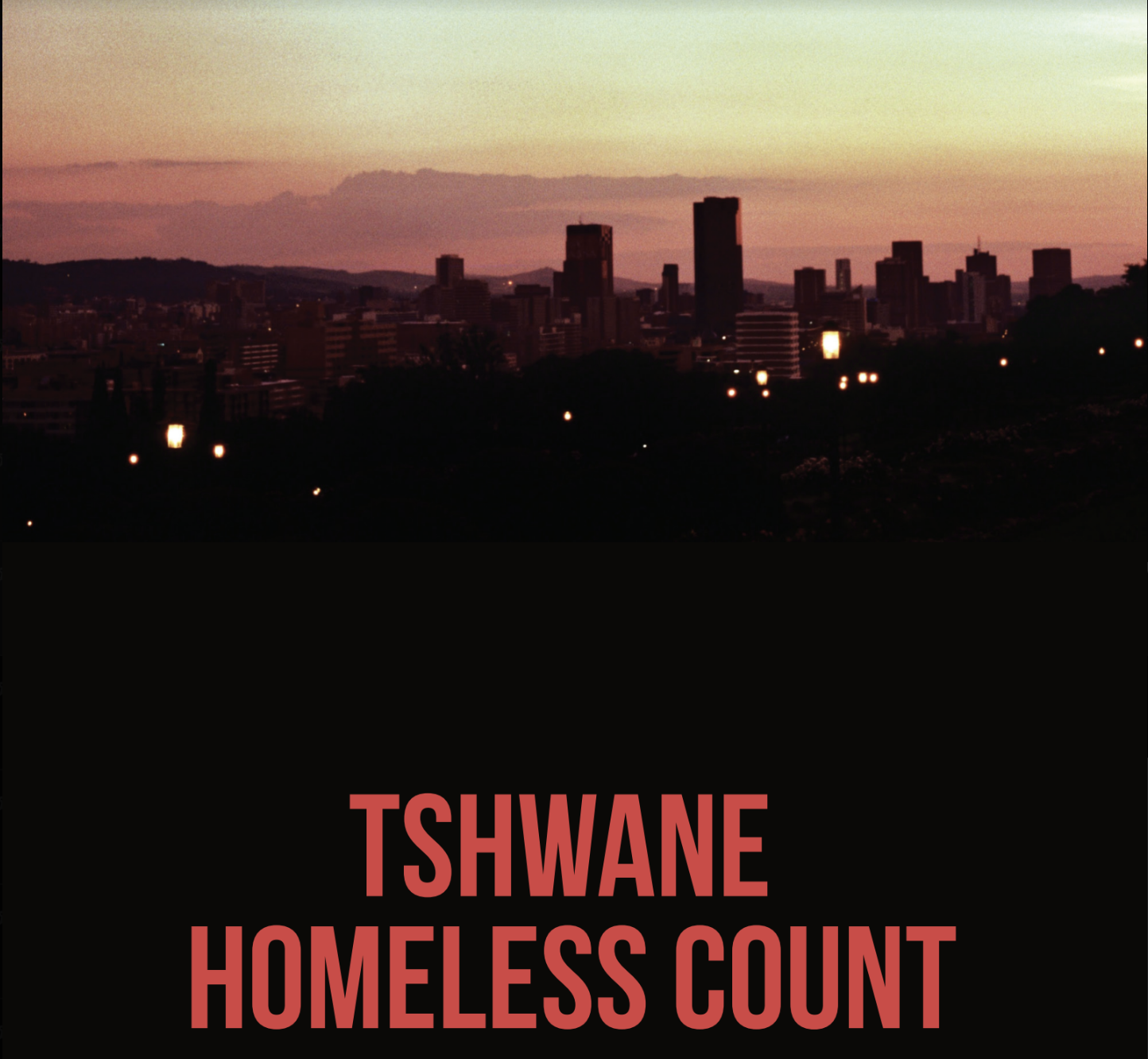
Every person counts. And everyone counted during the City of Tshwane’s first official homeless count, counts! This is a critical moral, political and theological assertion, and insistence. It is also a critical methodological reminder. Losing one survey form, or miscounting, or messing up data, is miscounting one person’s dignity, importance and information. Without such insistence..
Read moreThe ‘good city’ or ‘post-colonial catch-basins of violent empire’? A contextual theological appraisal of South Africa’s Integrated Urban Development Framework
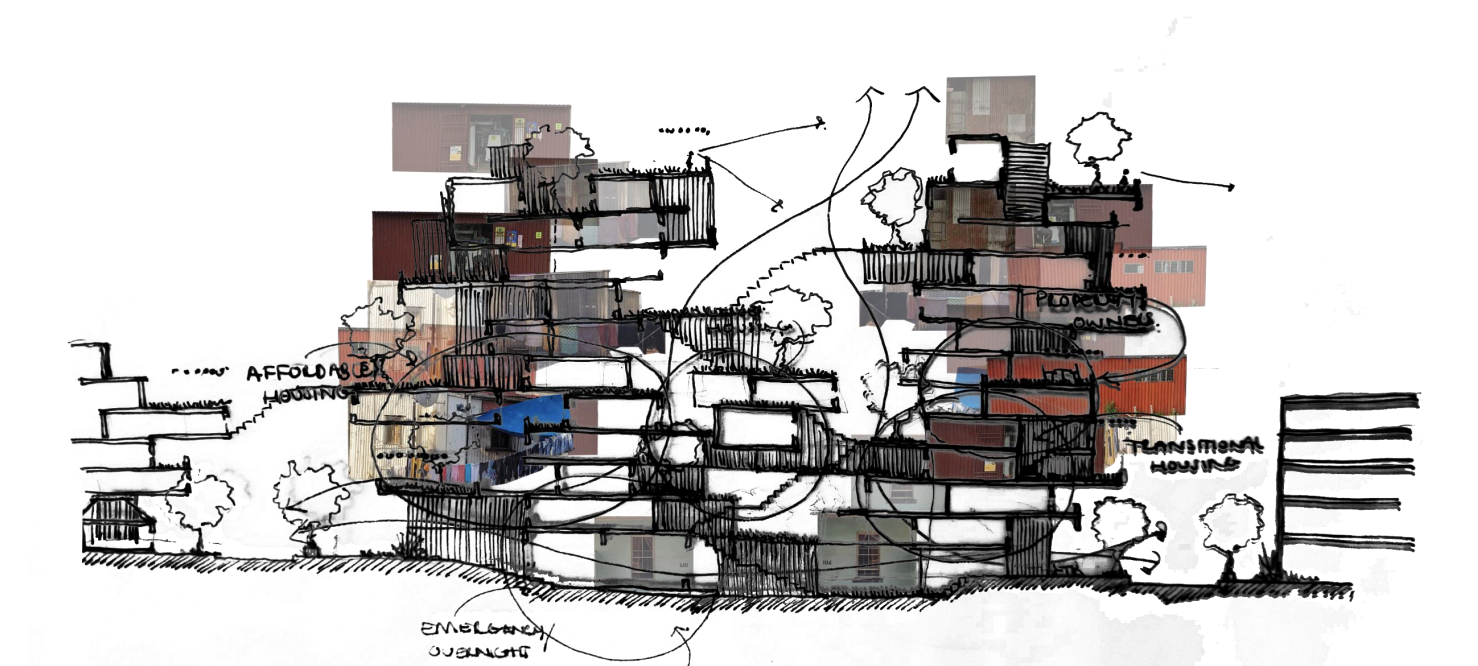
The Integrated Urban Development Framework (IUDF) was constructed as a ‘new deal’ for South African cities and towns. It outlines a vision with four overarching goals and eight priorities or policy levers meant to overcome the apartheid legacy through comprehensive spatial restructuring and strategic urban–rural linkages. This article is a contextual theological reflection ‘from below’,..
Read more‘Between life and death’: On land, silence and Liberation in the captal city

This article reflects on the unfinished task of liberation – as expressed in issues of land – and drawing from the work of Franz Fanon and the Durban-based social movement Abahlali base Mjondolo. It locates its reflections in four specific sites of struggle in the City of Tshwane, and against the backdrop of the mission..
Read moreDoing theology with children: Exploring emancipatory methodologies

This article serves as an introduction to a collection of articles that explores emancipatorymethodologies for doing theology and research with children. We focus on both the agency and the participation of children as an ethics and children’s rights imperative as well as the potential impact and outcomes of theology and research that focus on children...
Read moreRESEARCH REPORT 2: RELIGION & THE BUILT ENVIRONMENT
Research-Report-2-Religion-the-Built-Environment-DIGITAL-final2-1Download
Read moreResearch Report 2021 Homelessness And Covid 19 In The City Of Tshwane

During the Covid-19 lockdown in the City of Tshwane, homeless people and those caring for them experienced dramatic and large-scale change, taking place over the course of a few days. This report documents the impact, response to and some outcomes of these events. It also offers recommendations based on collective lessons learnt. Some of the..
Read moreInside a Pandemic: Vulnerability, Imagination, Innovation in the city of Tshwane – Report 2020

At the end of 2020, the Centre for Faith and Community also published its annual report calledHealing urban Fractures: this year’s subtitle is: Inside a Pandemic: Vulnerability, Imagination,Innovation in the city of Tshwane. This work, reflects on the work of the Centre and a plethoraof NGOs, Churches, Government departments, University Department of both the University..
Read more2019 Report – Urban Studio: Healing Urban Fractures

This report describes the work of the Urban Studio, a collaborative project initiated between the Centre for Faith and Community at the University of Pretoria, and the Tshwane Leadership Foundation, committed – through deep immersions – to contribute to the healing of urban fractures, through:- Building leadership (capacity-building and education),- Doing engaged research- Documenting local..
Read more