

This article is reading ubuntu in the light of homelessness in the cities and towns of South Africa. It suggests that ubuntu itself is homeless and displaced as a way of being human together. Instead of the mediation of dignity and justice through an ubuntu-solidarity, street homeless people and others living vulnerably and in precarious..
Read moreThe university, the city and the clown: A theological essay on solidarity, mutuality and prophecy – Stephan de Beer

This essay is informed by five different but interrelated conversations all focusing on the relationship between the city and the university. Suggesting the clown as metaphor, I explore the particular role of the activist scholar, and in particular the liberation theologian that is based at the public university, in his or her engagement with the..
Read moreTowards a fusion of horizons: Thematic contours for an urban public theological praxis-agenda in South Africa

This article proposes a ‘fusion of horizons’ in constructing urban public theologies in South Africa. This is done through the introduction of five interrelated themes that have emerged from the on-going knowledge and idea production by a distinguishable counterpoint in contemporary scholarly, intellectual and activist engagement with the urban, in the authors’ own South African..
Read moreDoing urban public theology in South Africa: Introducing a new agenda

This article serves as the introductory, first contribution to a special collection of articles on the theme, ‘Doing urban public theology in South Africa: Visions, approaches, themes and practices towards a new agenda’. The aim of the article is to set the conceptual and hermeneutical framework for undertaking urban public theology as a very intentional,..
Read moreJesus in the Dumping Sites: Doing theology in the overlaps of human and material waste
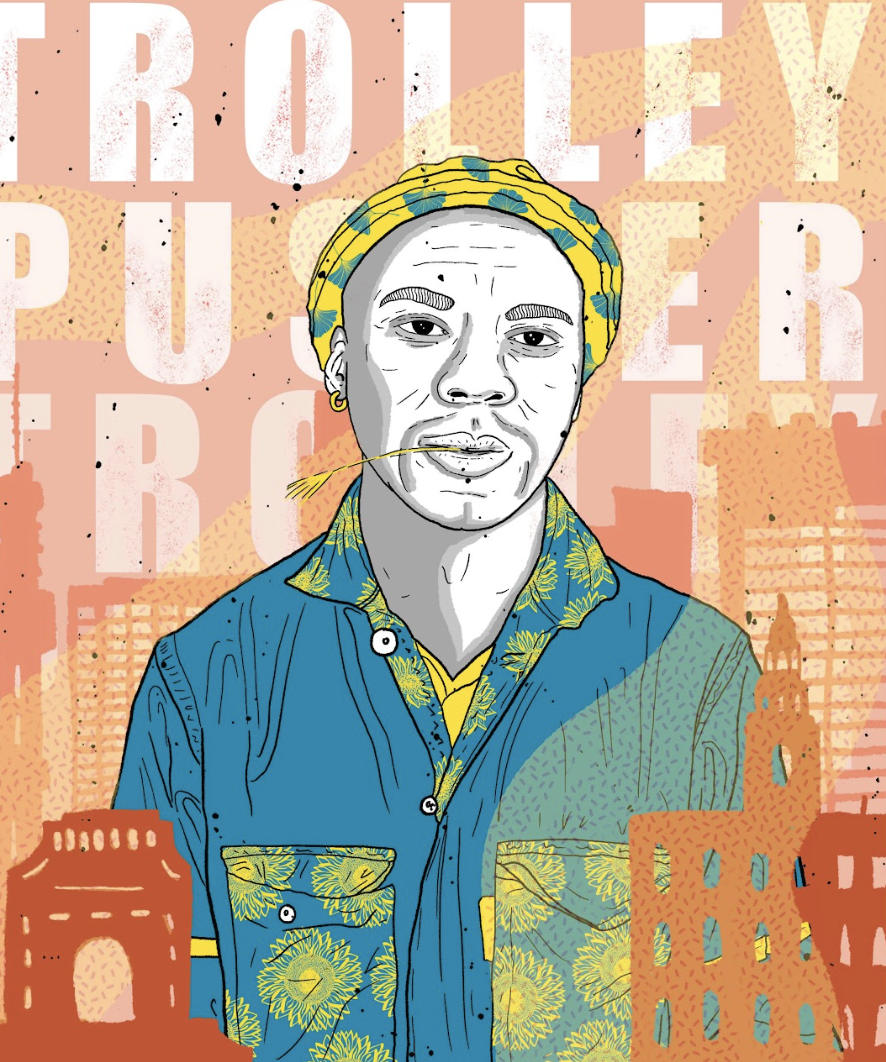
Jesus’ option for the poor should be reclaimed in a clear theological and ecclesial option for the dumping sites of our cities and towns. That is the basic proposal of this article. Reflecting upon three different dumping sites – different in size, age and history – this article will explore the central thread of material and human..
Read moreDemythologising social cohesion: Towards a practical theological vision

This article considers the topical issue of social cohesion. It seeks to demythologise the issue bringing it into critical conversation with eight related categories. It proposes that a vision of a socially cohesive society should employ all eight categories as parallel and complementary strategies. Secondly, it proposes a practical theological vision of social cohesion that..
Read more‘Between life and death’: On land, silence and liberation in the capital city

This article reflects on the unfinished task of liberation – as expressed in issues of land – and drawing from the work of Franz Fanon and the Durban-based social movement Abahlali baseMjondolo. It locates its reflections in four specific sites of struggle in the City of Tshwane, and against the backdrop of the mission statement..
Read moreWhose knowledges shape our city? Advancing a community-based urban praxis

Wie se Kennis(se) Vorm ons Stad? Op Soek na ’n Gemeenskapsgedrewe Stedelike PraxisIn die artikel word verskillende plekke van kontestasie en hoop in die middestad van Pretoria/Tshwane geidentifiseer, en die moontlike unieke kennis(se) wat vanuit hierdie kontekste gegenereer word, word oorweeg. Ek neem ’n spesifiekeposisie in en argumenteer dat sodanige plaaslike kennis(se) meestal uitgesluit word..
Read moreAbsence, presence, remembrance: A theological essay on frailty, the university and the city

This essay is reflecting on frailty, the university and the city, in relation to each other. It seeks to transcend the binary concepts of presence and absence, proposing remembrance as the frail work of making absence present, of reweaving what is dismembered, and of a politics of hospitality. It considers the task of remembrance in..
Read moreUrban South Africa: An opportunity for liberating theological education

This article proposes the city as an opportunity and resource for liberating theological education. It explores going beyond adding “urban” to theological education as an addendum, but rather to consider “urbanizing” theological education as a whole, in an inclusive way that affirms the interconnectedness of urban-suburban-rural realities. It explores theological education that takes the whole..
Read more